Field notes/August 2026
Hard water spots on your windows: why they happen and how we remove them
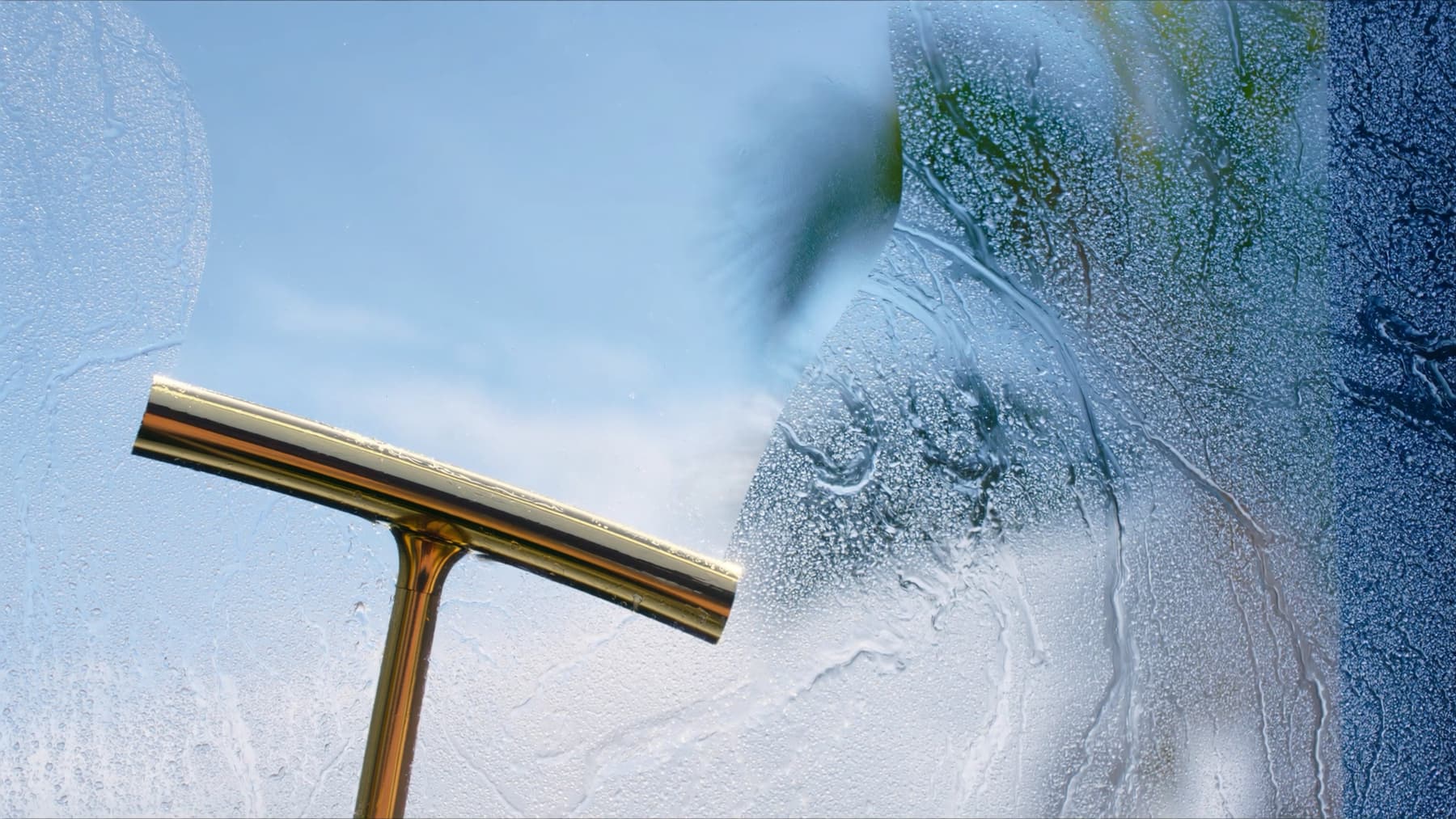
If your windows look clean for a week and then cloudy again, the problem is probably not dust. It is the water itself. Most tap and irrigation water carries dissolved calcium and magnesium, and Austin water, drawn through limestone, carries a lot of it.
Where the spots come from
Most hard water spotting on home glass comes from sprinklers and drip emitters hitting windows, storm rain drying in the sun, and hose washing that dries before it can be squeegeed off. The water evaporates in minutes on hot glass, but the minerals in it stay behind, bonded to the pane.
Left long enough, those deposits etch in. The sun bakes them, every new wetting adds a layer, and after a year or two you have a haze that ordinary glass cleaner will not touch.
Why scrubbing makes it worse
Mineral deposits are harder than the cleaning pads most people reach for, so aggressive scrubbing tends to scratch the glass around the deposit instead of lifting it. Razor blades can work on some glass, but on tempered panes they can drag fabricating debris across the surface and leave permanent scratch lines.
How we actually remove them
The honest answer is chemistry plus patience. A mild acid based mineral remover dissolves the deposit, a white pad lifts it, and purified water rinses everything off so no new minerals dry onto the pane. On etched glass we polish with cerium oxide, the same compound used to restore windshields.
Just as important is stopping the source. On most houses that means adjusting one or two sprinkler heads so they stop tagging the glass every morning. We point them out on every visit, it takes thirty seconds and saves the next cleaning.
Keeping them off
Once the glass is truly clean, a regular exterior wash with purified water keeps minerals from ever getting a foothold. That is why our exterior work is done with water fed poles running deionized water. It dries spot free, with nothing left behind for the sun to bake in.